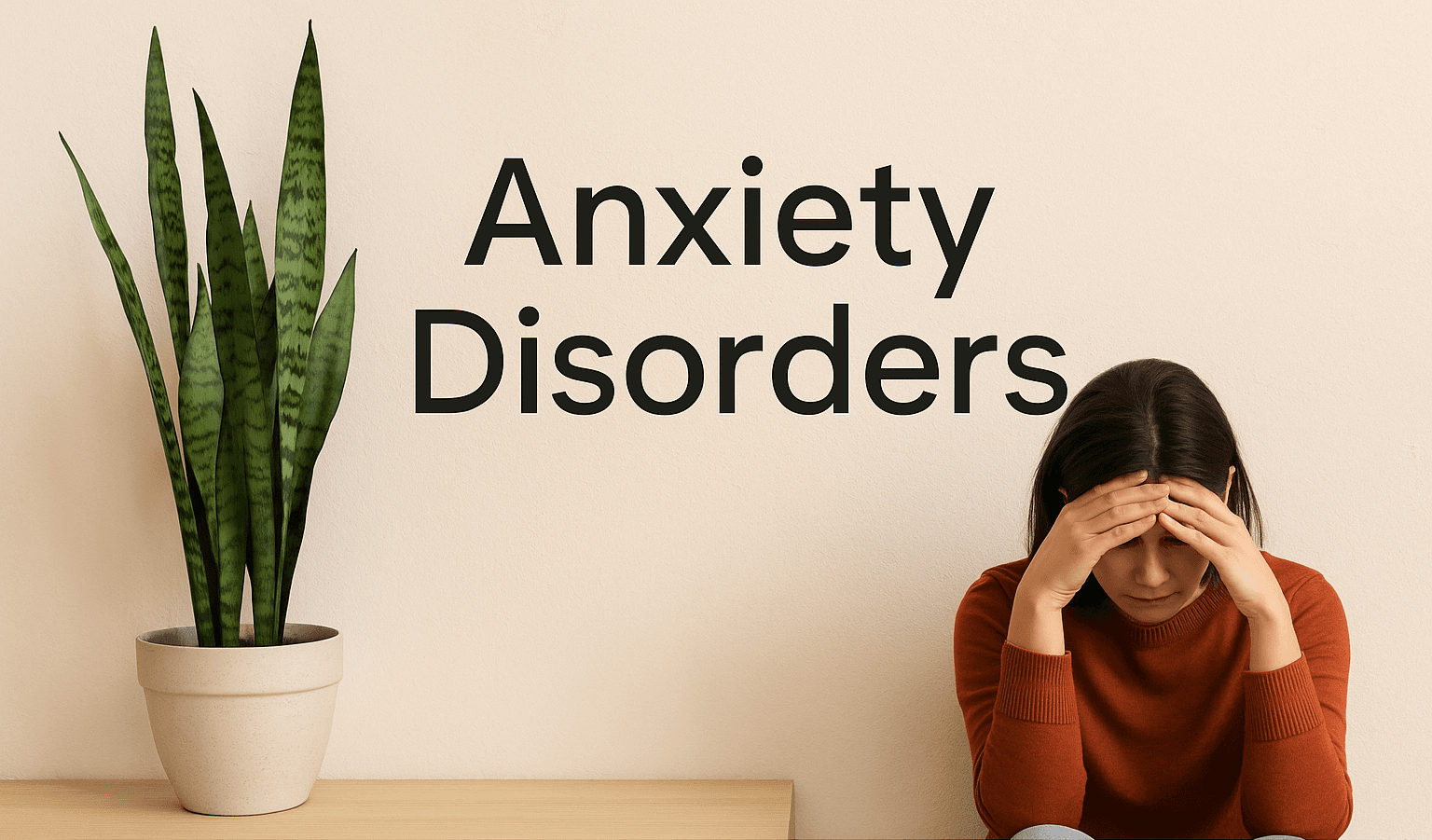
Understanding Anxiety Disorders: Causes, Symptoms, and Treatment Options

Abhishek Manudhane
Mental Health Guide
Understanding Anxiety Disorders: Causes, Symptoms, and Treatment Options

Introduction

Anxiety is one of the most common mental health problems, affecting millions worldwide. While occasional worry is normal, an anxiety disorder goes beyond temporary nervousness. It disrupts relationships, work performance, and overall well-being. This guide explores anxiety symptoms, causes, and the best treatment options to help you or your loved ones manage anxiety effectively.

What Are Anxiety Disorders?

Anxiety disorders are conditions characterized by persistent worry, fear, or nervousness. Unlike regular stress, these symptoms are excessive, long-lasting, and interfere with daily life. Common types include:

  • Generalized Anxiety Disorder (GAD) – constant worry about everyday issues
  • Social Anxiety Disorder – fear of social interactions or being judged
  • Panic Disorder – sudden panic attacks with intense physical reactions
  • Phobias – extreme fear of specific objects or situations
  • These conditions are treatable, but early recognition of anxiety disorder symptoms is crucial.

    Common Symptoms of Anxiety Disorders

  • Constant worrying, even without clear reasons
  • Racing heartbeat, sweating, trembling
  • Difficulty concentrating or relaxing
  • Irritability and restlessness
  • Avoiding stressful or social situations
  • Sudden panic attacks with intense fear
  • Causes and Risk Factors of Anxiety

  • Genetics – family history of mental health conditions
  • Brain chemistry – imbalances in neurotransmitters like serotonin
  • Traumatic experiences – abuse, accidents, or major life changes
  • Chronic stress – financial worries, workload, or caregiving
  • Medical conditions – thyroid issues, heart disease, or substance use
  • Treatment Options

    1. Therapy: CBT and exposure therapy
    2. Medication: SSRIs, SNRIs, anti-anxiety meds
    3. Lifestyle Changes: Exercise, diet, mindfulness
    4. Support Groups: Sharing experiences and coping tools

    Coping Strategies

  • Practice mindfulness or deep breathing daily
  • Limit caffeine and alcohol
  • Break tasks into manageable steps
  • Maintain consistent sleep habits
  • Stay socially connected
  • Conclusion

    Anxiety disorders are common but highly treatable. Seeking help through therapy, medication, or lifestyle adjustments can lead to long-term recovery. Don’t wait—reaching out to a mental health professional is the first step toward healing.

    Found this helpful?

    Mental health is a journey. Take it one step at a time.

    Back to Blog

    Immediate Help & Support

    If you’re going through a tough time, support is always here for you. You don’t have to handle it alone.