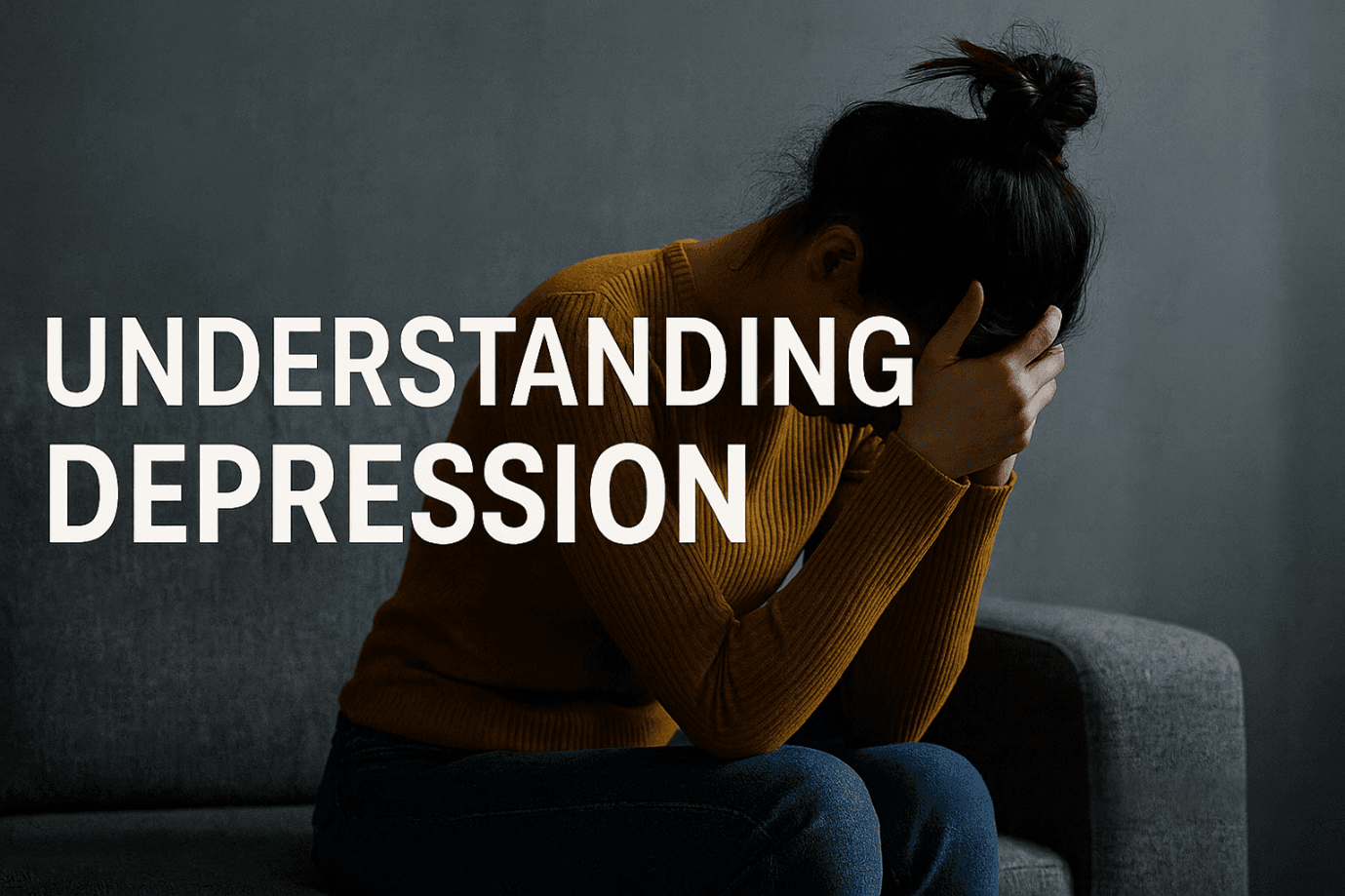
The Silent Struggle: Recognizing and Managing Depression

Abhishek Manudhane
Mental Health Guide
The Silent Struggle: Recognizing and Managing Depression

Introduction

Depression is one of the most common mental health disorders, yet it often remains hidden. Unlike temporary sadness, depression can deeply affect mood, thinking, and daily functioning. Understanding depression symptoms, knowing its causes, and exploring treatment options are the first steps toward recovery.

What is Depression?

Depression is more than “feeling sad.” It’s a clinical condition that can last weeks, months, or longer, interfering with relationships, work, and overall well-being. Also known as major depressive disorder, it affects people of all ages and backgrounds.

Signs & Symptoms

  • Persistent sadness or low mood
  • Loss of interest in activities once enjoyed
  • Fatigue and lack of motivation
  • Sleep disturbances—insomnia or oversleeping
  • Appetite and weight changes
  • Difficulty concentrating or making decisions
  • Feelings of guilt or worthlessness
  • Suicidal thoughts in severe cases
  • Causes of Depression

  • Biological: Brain chemistry imbalances
  • Genetic: Family history increases risk
  • Psychological: Trauma, stress, negative thinking
  • Environmental: Job loss, financial strain, relationship issues
  • Types of Depression

  • Major Depressive Disorder (MDD): Severe symptoms impacting daily life
  • Persistent Depressive Disorder (Dysthymia): Chronic but less severe low mood
  • Seasonal Affective Disorder (SAD): Triggered by seasonal changes
  • Postpartum Depression: After childbirth
  • Bipolar Depression: Depressive episodes within bipolar disorder
  • Treatment Options

    1. Therapy: CBT, psychodynamic therapy, group therapy
    2. Medication: SSRIs, SNRIs (often combined with therapy)
    3. Lifestyle: Exercise, mindfulness, healthy sleep and diet
    4. Support Systems: Friends, family, support groups

    Coping Strategies

  • Keep a structured routine
  • Practice gratitude journaling
  • Limit alcohol, caffeine, and substances
  • Engage in small, joyful activities
  • Seek professional help early
  • Conclusion

    Depression may feel overwhelming, but it is treatable. Early recognition and treatment—whether through therapy, medication, or lifestyle adjustments—can lead to recovery and renewed hope. Seeking help is a sign of strength, not weakness.

    Found this helpful?

    Mental health is a journey. Take it one step at a time.

    Back to Blog

    Immediate Help & Support

    If you’re going through a tough time, support is always here for you. You don’t have to handle it alone.